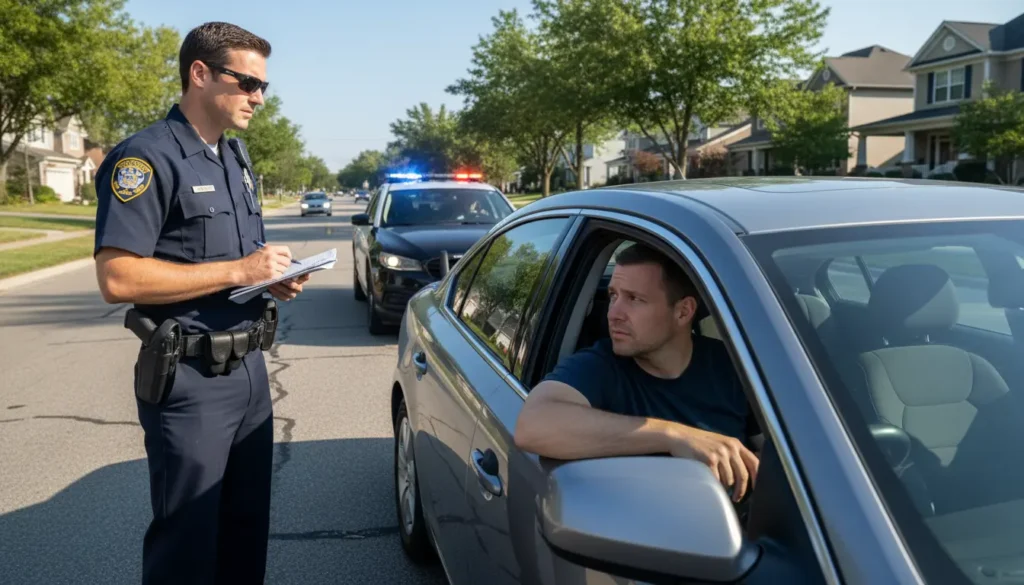
Starting in January, many drivers are hearing about a single nationwide change summarized as a “New January Driving Law in All 50 States” that can lead to jail time and fines up to $1,500. This article explains what that phrase usually refers to, how enforcement typically works, and practical steps drivers can take if they are stopped or cited.
What the New January Driving Law in All 50 States Means
The headline describes a coordinated round of state-level changes taking effect in January. Rather than one single federal statute, this often means states have adopted similar rules or minimum penalties for a specific driving offense. The common outcomes reported are criminal penalties that may include short jail terms and monetary fines capped around $1,500.
Typical target offenses include serious distracted driving, driving without required insurance, or repeat violations such as driving on a suspended license. Each state writes its own statute, so the exact triggers and maximum penalties can vary.
Common elements of the changes
- Clearer categorization of offenses (e.g., moving an infraction into misdemeanor territory).
- Minimum fine amounts or maximum fine caps near $1,500 for certain violations.
- Potential for short jail stints (generally local jail, often days to months depending on state law).
- New administrative consequences: points, license suspension, or mandatory education programs.
How Enforcement Typically Works Under the New Rules
Enforcement still happens at the state and local level. Law enforcement officers issue citations or make arrests based on probable cause of the specified offense. Prosecutors then decide whether to pursue criminal charges that could lead to jail time.
For many first-time offenders, states include alternative sanctions: community service, traffic school, or reductions in fines if requirements are met. Repeat or aggravated offenses are more likely to carry jail or the full $1,500 fine.
Examples of situations that often trigger stronger penalties
- Causing injury while committing the covered offense.
- Multiple violations within a short timeframe (repeat offenses).
- Refusal to provide proof of insurance or to comply with officer requests.
- Using a mobile device in ways specifically prohibited by the new law.
Steps to Take If You Are Stopped or Cited
If an officer stops you and issues a citation tied to this new law, remain calm, be polite, and follow lawful instructions. Your immediate behavior affects how an encounter proceeds and whether it escalates.
- Ask for the citation and read it carefully. Note the exact statute cited.
- Do not admit guilt at the roadside. You can ask how to contest the ticket in court.
- Take photos of the scene or your vehicle if it’s safe to do so — these can help later.
- Contact an attorney if the citation alleges a criminal offense or potential jail time.
How to reduce fines or avoid jail
Many states offer options that reduce penalties: plea agreements, diversion or pretrial programs, and traffic education classes. An attorney or public defender can explain eligibility and negotiate on your behalf.
Paying a fine does not always mean admitting guilt; in some jurisdictions you can pay to avoid appearing, but that can carry license or insurance consequences. Confirm local procedures before paying.
How to Check the Rules in Your State
Because each state controls its own criminal and traffic codes, the best source is your state legislature’s website, state DMV, or the official state court site. Look up the statute number listed on any citation and read the full text.
Helpful steps:
- Search for the statute name or number on your state’s legislative code site.
- Contact your state DMV for administrative consequences like points or suspensions.
- Call a local traffic attorney for a quick consultation on likely outcomes and defenses.
Practical documentation to keep in your car
- Current proof of insurance and registration.
- Drivers license and emergency contact information.
- Notes on recent repairs or safety equipment if relevant to a defense.
Real-World Example
Case study: A commuter in a midwestern state received a citation in January after being stopped for using a handheld phone while driving. The new state law elevated the offense to a misdemeanor for repeat violations and listed fines up to $1,500.
The driver: pleaded not guilty, attended the pretrial diversion program, completed a distracted driving class, and had the charge reduced to a non-criminal citation. The fine was reduced and no jail time was imposed. This outcome shows how diversion options and early legal advice can change results.
Key Takeaways: Protect Yourself and Your Record
- Understand the specific statute cited on any ticket; state language matters.
- Do not assume fixed outcomes — many cases resolve without jail if you act quickly.
- Document the stop, consult legal help when criminal penalties are possible, and use diversion programs when available.
If you want a state-specific checklist or help finding the exact statutory text cited on your ticket, provide your state and the statute number and we can point you to the relevant resources.