Overview of Federal Government 2000 Payments Scheduled for January 2026
The federal government has scheduled one-time 2000 payments for eligible beneficiaries in January 2026. This handbook explains who qualifies, how payments will be issued, and what recipients should do to prepare.
Use this guide to verify eligibility, check payment status, and follow steps to resolve common issues. The tone is practical and instructional to help beneficiaries act quickly.
Who Is Eligible for the 2000 Payments Scheduled for January 2026
Eligibility is generally tied to benefit programs and income levels set by the administering federal agency. Typical qualifying groups may include Social Security recipients, veterans, and low-income benefit recipients.
Check official agency guidance for exact rules. Here are common eligibility criteria to review:
- Current enrollment in a qualifying federal benefit program.
- Meeting income and residency requirements as defined by the agency.
- Having up-to-date contact and direct deposit or mailing information on file.
Documents and Information to Have Ready
Before the payment date, gather these items to speed verification and reduce delays.
- Benefit ID or claimant number.
- Recent benefit award letter or statements.
- Government-issued ID (driver’s license, passport).
- Bank account and routing numbers for direct deposit.
When and How Payments Will Be Issued
Payments are scheduled to start in January 2026. Agencies normally distribute funds by direct deposit, prepaid debit card, or paper checks.
Expect staggered disbursement dates by program. Direct deposit recipients usually receive payments earlier than paper check recipients.
Typical Payment Timeline
- Early January: Agencies confirm eligibility and process files.
- Mid January: Direct deposits begin for enrolled accounts.
- Late January: Checks and prepaid cards mailed to beneficiaries without direct deposit.
How to Confirm You Will Receive the 2000 Payment
Confirm eligibility and payment method through the administering agency website or by phone. Avoid unofficial sources and social media claims.
Steps to confirm payment status:
- Log in to your benefit agency online account to view upcoming payments.
- Call the official agency phone number listed on your statements.
- Verify direct deposit details if you prefer electronic delivery.
What To Do If Your Payment Is Missing or Delayed
If you do not receive the 2000 payment by the expected date, follow a step-by-step approach to find and resolve the issue.
- Confirm your benefit account details and mailing address are correct.
- Check bank statements and online banking for direct deposit entries.
- Contact the administering agency and provide your benefit ID and supporting documents.
- If needed, file a payment inquiry or complaint through the agency’s official channels.
Common Causes of Payment Delays
- Incorrect bank routing or account numbers.
- Outdated mailing address on file.
- Eligibility issues requiring additional verification.
- System processing backlogs during mass disbursement periods.
Federal agencies typically use existing benefit records to issue mass payments, so keeping contact and bank details current can prevent delays.
Tax and Reporting Considerations for the 2000 Payments
Review whether the 2000 payment is taxable. Taxability depends on the payment type and the administering program.
Common guidance:
- Some one-time federal payments are non-taxable; others may be taxable income.
- Agencies will provide notices or 1099 forms if payments are reportable to the IRS.
- When in doubt, save all notices and consult a tax advisor before filing your return.
Practical Steps to Prepare for the Payment
Prepare now to make sure you receive the payment smoothly and can use it effectively.
- Verify and update contact info on your benefit account.
- Opt into direct deposit if possible to get funds faster.
- Create a simple budget for the one-time payment so it supports essential needs.
Suggested Uses
- Cover overdue bills or essential living costs.
- Build a small emergency fund.
- Pay down high-interest debt where possible.
Case Study: Real-World Example
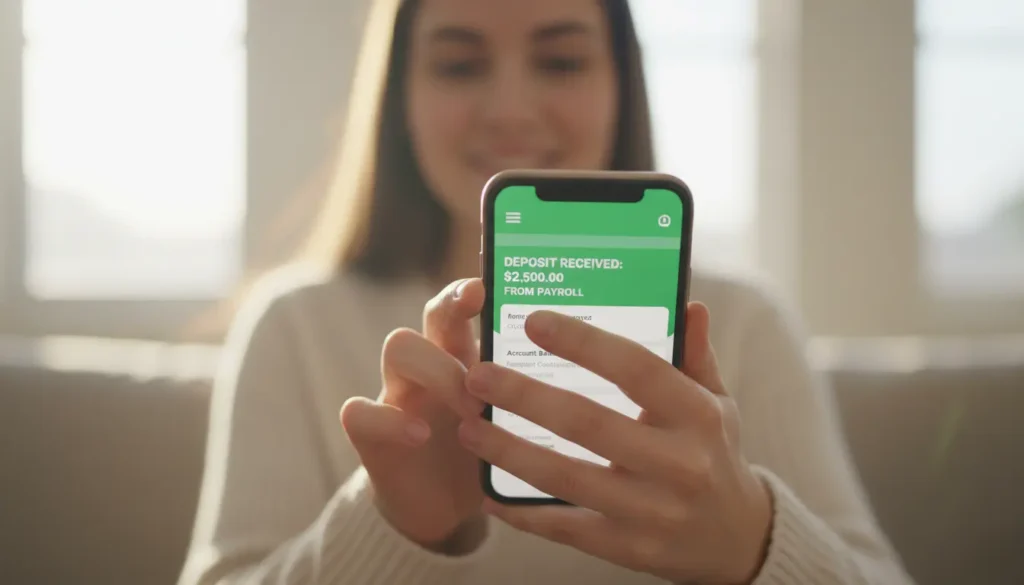
Maria is a 67-year-old Social Security beneficiary who expected the January 2026 payment. She confirmed her direct deposit details in December and received the payment on January 12 via electronic deposit.
Maria used the 2000 payment to pay two months of rent and start a small emergency savings buffer. When a neighbor had not received a payment, Maria shared the agency phone number and helped them update their address, which resolved that case.
Frequently Asked Questions
Can I get the payment if I moved recently?
Yes, if you update your address with the administering agency before the payment is processed. If you moved after processing, a replacement request may be required.
Will the payment affect my ongoing benefits?
That depends on program rules. Some programs exclude one-time payments from income calculations, while others may count them. Check your program’s policy or contact the agency.
Who should I contact for help?
Contact the agency that administers your primary benefit. Use official phone numbers or secure online portals rather than social media for sensitive information.
Final Checklist Before January 2026
- Confirm eligibility and payment method with your agency.
- Update contact and bank information now if needed.
- Gather ID and benefit documentation to speed any inquiries.
- Create a plan for how you will use the one-time payment.
This handbook provides practical steps for beneficiaries expecting the federal government 2000 payments scheduled for January 2026. Follow the checklist, confirm details with your agency, and act early to avoid delays.