IRS Approves $2000 January 2026 Deposits: Overview
The IRS has approved one-time $2,000 deposits to eligible taxpayers scheduled for January 2026. This article explains who is eligible, the timing of deposits, key rules, and what to do if you expect a payment.
Who Qualifies for the $2000 January 2026 Deposits
Eligibility is based on income, filing status, and specific qualifying criteria the IRS set for this payment round. In many cases, taxpayers who received prior refundable credits or stimulus-like payments will be prioritized.
Key eligibility points include reported adjusted gross income (AGI), residency, and timely tax filings. Dependents and some nonresident filers may be excluded.
How the IRS Will Send the $2000 Deposits
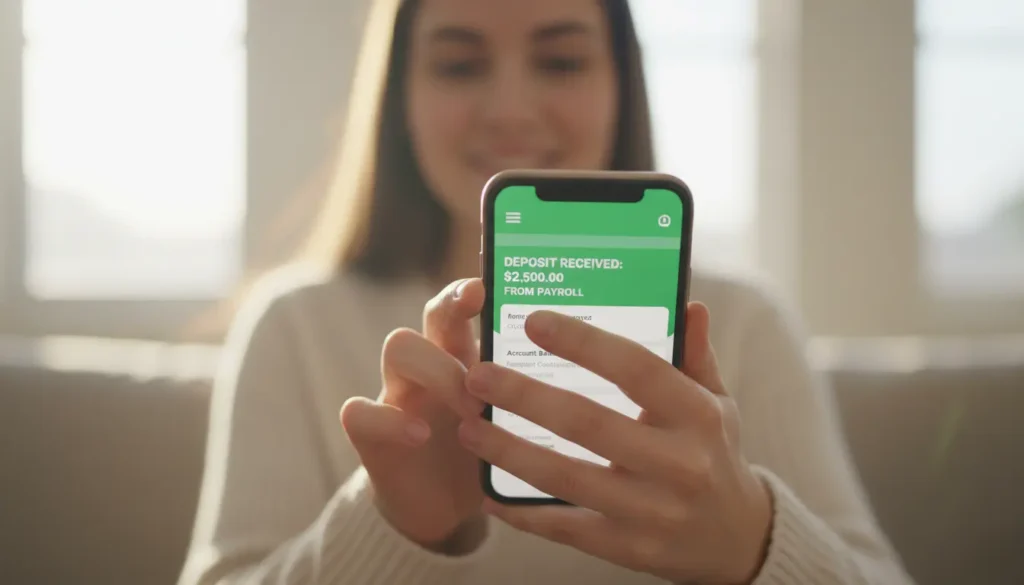
The IRS will deliver the deposits via direct deposit to bank accounts on file. If no account is on file, the IRS may mail a paper check or a prepaid card.
Direct deposit is the fastest method. Confirm your current bank account with your latest tax return or through IRS online tools if possible.
Important Dates for the January 2026 Deposits
Understanding the timeline helps you know when to expect the money and how to act if something goes wrong.
- January 1–7, 2026: Internal processing and final eligibility checks.
- January 8–15, 2026: First direct deposit wave for eligible recipients with verified bank info.
- January 16–31, 2026: Follow-up deposits and mailed paper checks for those without direct deposit on file.
- February 2026: Second review and corrections for returned or undeliverable payments.
What To Do Before January 2026
Take simple steps now to improve the chance of timely receipt.
- Check that your 2024 or 2025 tax return was filed and shows the correct bank account information.
- Use the IRS online account or Get Transcript tool to confirm your filing status and address.
- If you moved, update your address with the USPS and the IRS as soon as possible.
Rules and Common Questions About the Payments
Payments follow IRS rules that determine eligibility, amounts, and timing. It helps to know the most common questions and concrete rules.
Will Everyone Get $2000?
No. Not everyone will receive the $2,000 deposit. Payments are subject to income thresholds and filing requirements set by the IRS and any enabling legislation.
Low-to-moderate income taxpayers and those who filed tax returns on time are most likely to receive it.
Is the Payment Taxable?
Most one-time relief or credit payments are not taxable income. However, the IRS will publish final guidance, and you should check whether the deposit must be reported in the following tax year.
What If a Payment Is Missing or Incorrect?
If you do not receive the deposit by the expected date, verify your account and filing status first. Then use the IRS online tools to check payment status.
If the payment was returned or mailed to an old address, the IRS will provide instructions for claiming or reissuing the payment.
How to Confirm and Track Your $2000 Deposit
Tracking your payment reduces uncertainty. The IRS provides tools and steps to confirm a scheduled deposit.
- Sign in to your IRS online account and view recent payments.
- Use the IRS Get My Payment (or similar) service if the IRS activates it for this deposit round.
- Check your bank account around the expected deposit dates.
Documentation to Keep
Save any IRS notices or bank statements showing the deposit. These documents will help if a payment is misapplied or needs to be corrected.
The IRS often uses past tax return bank information for direct deposits. If your bank changed since your last filed return, the payment may be mailed instead of deposited.
Practical Steps After Receiving the Deposit
Once you receive the $2,000 deposit, consider using it to address urgent financial needs or to improve stability.
- Pay high-interest debt first, such as credit cards.
- Create or add to an emergency fund covering 1–3 months of expenses.
- Set aside receipts and notes in case you need to reference the source of funds later.
Real-World Case Study
Case: Maria, 34, single filer. She filed a 2025 return using direct deposit and confirmed her bank details in October 2025.
Result: Maria received the $2,000 direct deposit on January 12, 2026. She used $1,200 to pay down a credit card and saved $800 as an emergency buffer. When the IRS sent a notice, she matched it to her bank statement and filed it away for tax records.
Final Checklist Before January 2026
Use this short checklist to prepare for the IRS $2,000 deposits.
- Confirm tax return was filed and accepted for the latest year.
- Verify bank account and mailing address on file with the IRS.
- Monitor the IRS payment tool and your bank account during January.
- Keep records of any IRS notices and deposit confirmations.
Following these steps helps you avoid delays and ensures you can use the funds effectively when the IRS approves and issues the January 2026 deposits.