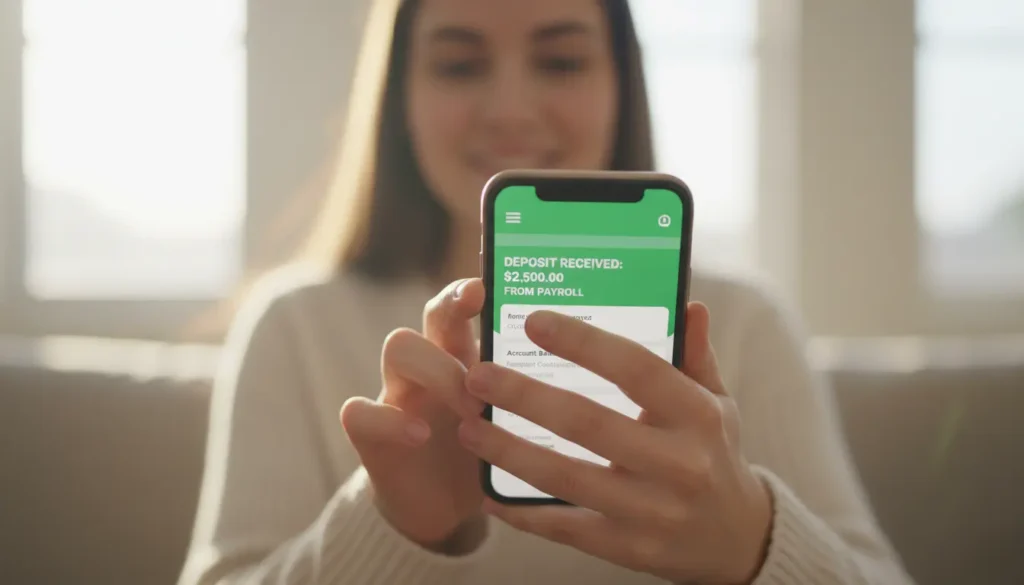
This guide explains how to determine eligibility for the $2000 IRS deposit in January 2026 and what to expect from the payment timeline. It focuses on practical steps you can take now to confirm status and speed receipt.
Who is eligible for the $2000 IRS deposit January 2026?
Eligibility typically depends on recent IRS records, Social Security benefits, and filing status. The IRS usually bases payments on your most recent tax return or benefit information on file with federal agencies.
Common eligibility factors include:
- Citizenship or qualifying resident status and a valid Social Security number.
- Income records from your most recent tax return or SSA/VA benefit files.
- Not being claimed as a dependent on someone else’s tax return.
Who is usually excluded
People commonly excluded are non-resident aliens, those without valid SSNs for themselves or dependents, and individuals claimed as dependents. Incarceration and certain government benefit conflicts can also affect eligibility.
How the IRS determines qualifying households
The IRS generally uses the most recent filed federal return or benefit data to identify eligible taxpayers. If you filed a 2024 or 2025 return, the IRS will use that information to confirm eligibility and payment method.
If you did not file, the IRS may use Social Security Administration or Veterans Affairs data for beneficiaries. That’s why Social Security recipients often receive direct deposits automatically.
Key documentation and records to check
- Most recent federal tax return (2024 or 2025).
- Social Security or VA benefit statements if you receive those payments.
- Bank account information on file for direct deposit with the IRS or SSA.
- IRS account correspondence like notice letters (if already sent).
$2000 IRS Deposit January 2026 payment timeline
Payment timelines vary depending on when the program is authorized and how the IRS processes records. Below is a practical timeline you can expect based on how prior federal payments were handled.
- Announcement and sign-up window: IRS or Treasury posts guidance and start date (week 1).
- Verification and processing: IRS matches tax or benefit records (weeks 1–4).
- Direct deposits begin: Payments sent to bank accounts on file (starting week 2–6).
- Paper checks and prepaid debit cards: Mailed to those without direct deposit (several weeks longer).
- Notice letters: IRS typically mails letters after payment indicating amount and how it was sent.
Direct deposit recipients generally see funds fastest, sometimes within days of processing. Mailed payments can take several weeks to arrive after the initial processing date.
How to check payment status for the January 2026 deposit
- Use the IRS online tool for payments (if active for this program) to see status.
- Check your IRS online account for notices and transaction history.
- Look for a mailed IRS notice that confirms payment amount and method.
- Contact your bank to confirm if a deposit is pending when the IRS indicates a payment was issued.
What to do if you don’t receive the $2000 IRS deposit January 2026
First, confirm your eligibility and the payment method used by the IRS. If the IRS indicates a payment was issued but you didn’t receive it, take these steps promptly.
- Verify your bank account and routing number on file with the IRS or update it where applicable.
- Wait for the official IRS notice that accompanies payments—this letter often has a reference number and next steps.
- If still missing, contact the IRS via the contact information provided in their guidance or your notice.
- Claim any missed payment when you file your 2026 tax return if the IRS directs you to a tax year recovery credit process.
Timing considerations and bank processing
Even after the IRS issues a deposit, banks can take 1–3 business days to post funds. Weekend or holiday schedules will delay posting.
If your deposit was returned to the IRS because of a closed account or bad routing number, you may receive a paper check instead. That adds mailing time.
The IRS usually mails a notice after issuing a payment that explains how the amount was calculated and where it was sent. Keep that notice for your records.
Practical tips to speed receipt of the payment
- Make sure your most recent return has current bank account and address information.
- If you receive Social Security, confirm your direct deposit details with SSA—those are often used by the IRS.
- Sign up for an IRS online account and enable delivery of electronic notices where available.
- Watch for official IRS announcements and avoid scams; the IRS will not call to demand personal information for this payment.
Real-world example
Case study: Maria is a single parent who filed a 2024 return and has direct deposit on file. When the IRS processed the $2000 IRS deposit January 2026 payments, Maria received a direct deposit to her bank account five days after the IRS issued payments. She kept the IRS notice and noted the payment reference when checking her bank statement.
If Maria had not filed recently, the IRS might have used Social Security records or mailed a check, delaying receipt by several weeks.
Final checklist before January 2026
- Confirm your SSN and filing status are correct on your most recent tax return.
- Update bank account and mailing address where the IRS or SSA can access them.
- Monitor official IRS channels for the announcement and exact payment dates.
- Retain any IRS notices about the payment for your records and tax filings.
Following these steps will help you understand whether you qualify for the $2000 IRS deposit January 2026 and what timeline to expect. If you have specific concerns about your account, contact the IRS or a qualified tax professional for personalized help.