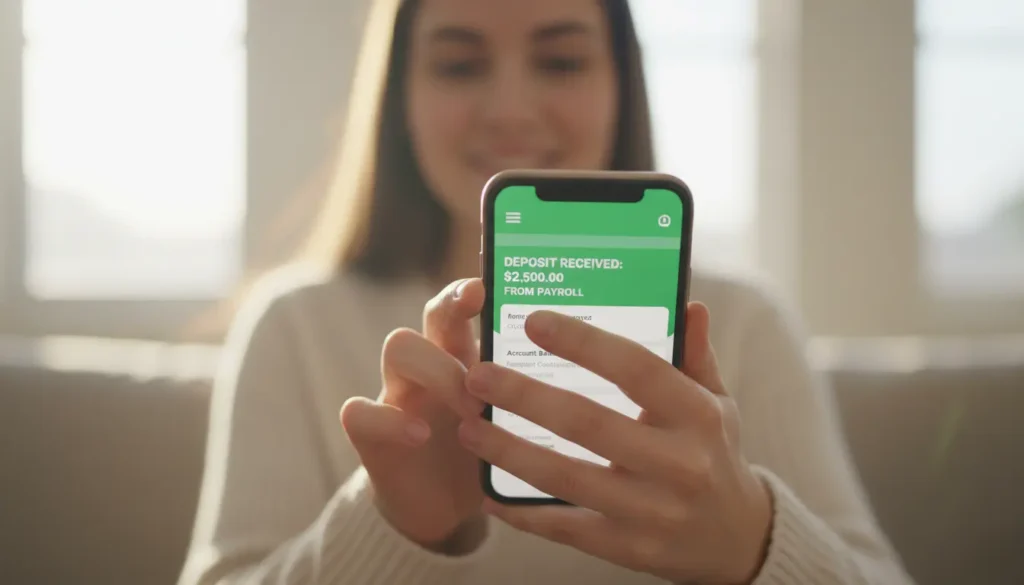
The IRS announced a January 2026 $2000 deposit payment. This article explains who may qualify, the likely payment schedule, and clear steps to confirm or claim a payment you expect to receive.
Who may be eligible for the January 2026 $2000 deposit
Eligibility typically depends on recent tax filings and current IRS records. The IRS will use the most recent information on file to determine who gets the deposit.
Common factors the IRS considers include filing status, income limits, and dependent claims. People who did not file a recent return may still be eligible if they previously submitted information to the IRS through other channels.
Typical eligibility categories
- Taxpayers who filed a 2024 or 2025 federal income tax return and meet income thresholds.
- Individuals receiving Social Security benefits, if they meet the program rules and IRS criteria.
- Low- and moderate-income households who used IRS nonfiler tools in prior programs.
Exact income limits and qualifying rules will appear in the IRS announcement text and accompanying guidance. Check IRS.gov for the official eligibility table and examples.
January 2026 $2000 deposit payment schedule
The IRS generally issues direct deposits first, then sends paper checks and prepaid debit cards to addresses on file. Expect the process to span several weeks in January 2026.
Here is a simple timeline of what you might expect:
- Week 1–2: IRS verifies eligible records and begins direct deposits to accounts on file.
- Week 2–4: Paper checks and debit cards mailed to households without deposit information.
- After Week 4: IRS posts payment status updates in your IRS online account or by letter.
Note: The IRS may stagger payments and send notices explaining eligibility or correcting errors. Keep an eye on official IRS communications rather than social media or email claims.
How to confirm your $2000 deposit payment
Before trying to claim a payment, confirm whether the IRS already has your correct information. Use official IRS tools and the steps below.
Steps to confirm payment status
- Visit IRS.gov and sign in to your secure IRS online account. This is the fastest way to see payment status and deposit details.
- Check your most recent IRS letters. The IRS often mails notices to explain payments or eligibility decisions.
- Review your bank statements for deposits in January 2026. If your bank shows a deposit labeled from the Treasury or IRS, note the date and amount.
- If you do not have an online IRS account, use the IRS help pages or call the IRS phone numbers listed on IRS.gov for payment inquiries.
How to claim the $2000 deposit if you do not receive it
If the IRS did not send a payment and you believe you are eligible, you can take these steps to claim or report a missing payment. The usual path is to confirm eligibility and then use the annual tax return or IRS forms to claim a missed credit or payment.
Practical steps to claim
- Gather documentation: recent tax returns, Social Security numbers for dependents, proof of identity, and bank account information.
- File your 2025 federal tax return on time if you have not. The IRS typically allows claim of applicable credits or adjustments on the tax return.
- If a credit or payment was intended but not sent, follow IRS guidance for reporting a missing payment. This may include a specific form or claiming an equivalent tax credit on your return.
- Contact the IRS directly if your issue is urgent. Use the official contact numbers on IRS.gov or visit a local Taxpayer Assistance Center by appointment.
Keep records of all communications, dates, and reference numbers when you contact the IRS. That will help resolve any disputes faster.
Common mistakes and how to avoid them
Mistakes often delay payments. Simple checks now can prevent headaches later.
- Don’t rely on email or text messages claiming to be the IRS. Always use IRS.gov links and phone numbers.
- Make sure your mailing address and bank account on file with the IRS are current. Update your information via your IRS account or tax return.
- File your tax return even if your income is low or you owe nothing. Filing keeps your record current for program eligibility.
Case study: How a household confirmed and claimed their payment
Jane and Roberto expected the $2000 deposit in January 2026. Jane checked their bank account and did not see a deposit by mid-January.
They logged into their IRS online account, confirmed their address and bank info, and found an IRS notice mailed the week before saying the payment would be issued by check due to missing bank details. They updated their bank information and filed their 2025 tax return to claim an equivalent credit if the mailed check did not arrive. The check arrived two weeks later, and they kept copies of the IRS notice and their online confirmation.
This example shows the value of using the IRS online account, keeping records, and filing a timely return if you think a payment is missing.
The IRS often issues payments by direct deposit first, then by mail. If you moved recently, the mailed check could go to your old address unless you updated the IRS record.
Final checklist before January 2026
- Confirm eligibility by checking IRS.gov and official IRS notices.
- Update your mailing address and bank deposit information in your IRS online account.
- Have your 2024 and 2025 tax documents ready in case you need to file or claim a credit.
- Monitor bank statements and your IRS account for payment status updates.
If you follow these steps, you will be well prepared to receive or properly claim the January 2026 $2000 deposit. For the most accurate and specific guidance, refer to the IRS announcement and the instructions posted at IRS.gov.